Nobody wakes up wanting to buy an air conditioner. Most homeowners would happily repair the old one forever if it would just cooperate. Sometimes that's exactly the right plan. And sometimes the repair is just a deposit on the next repair.
This guide is about telling those two situations apart, so you spend money on the version of the future that actually gets better.
At a Glance
- Repair first is the right instinct for younger systems with one-off problems.
- Replacement deserves a look when the repair is major and the system is 10+ years old.
- Repeating repairs, poor comfort, and rising bills are the pattern to watch.
- A bad original installation can't be repaired into a good one.
- If repair makes sense, VORXS will say that. If replacement is smarter long term, VORXS will explain why.
Repair First Is Not Always Wrong
Let's start by defending repair. If your system is under about 10 years old, has been comfortable, and this is its first real problem, fixing it is usually the right move. Plenty of ACs have one bad day and then run quietly for years.
That's the bread and butter of our AC repair work, and we're happy doing it.
Replace Instead of Repair When the Repair Is Major
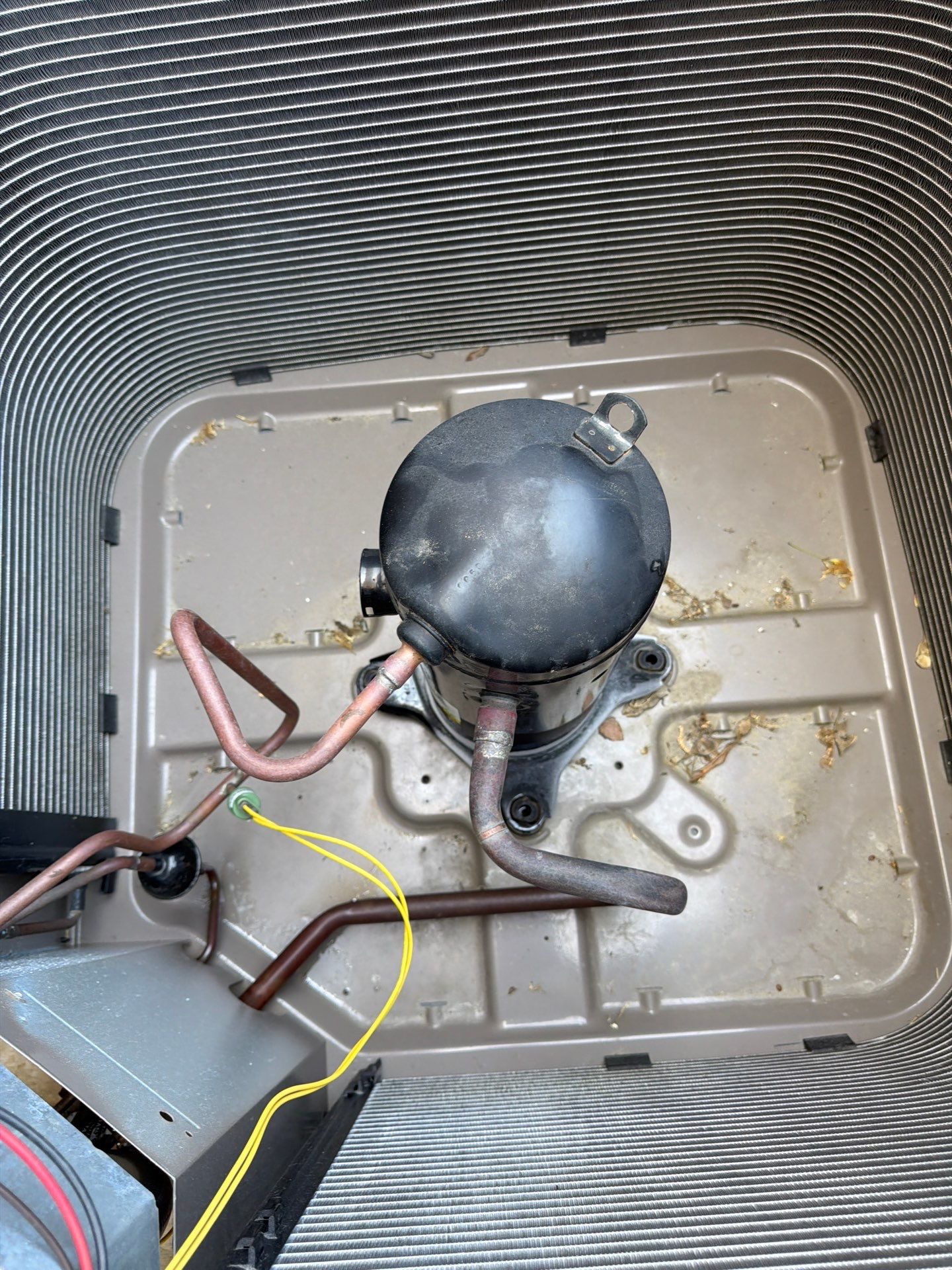
Some repairs are small parts. Some are the heart of the machine. A failing compressor, a leaking evaporator coil, or a major refrigerant circuit problem on an older system is a different conversation than a capacitor swap.
When the big repairs show up on equipment that's already past 10 years old, putting that money toward a new system often makes more sense than installing an expensive part into a tired machine.
Replace When the AC Is Old and Repairs Are Repeating
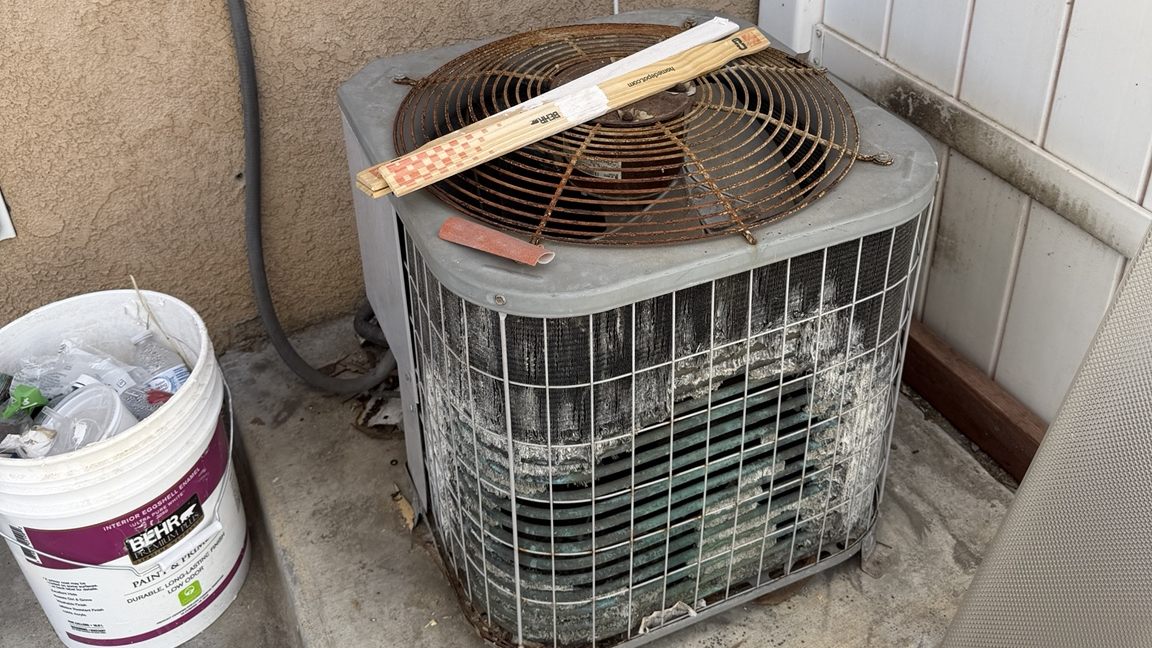
One repair is a fix. Three repairs in two summers is a subscription. If your AC or heat pump is more than 10 years old, repairs keep coming, bills keep climbing, and the system keeps struggling, the pattern is telling you what's next.
You don't have to act on it today. But it's worth getting replacement numbers before the system makes the schedule for you, usually in August.