There's a moment in every AC replacement pitch where the homeowner nods politely while quietly thinking, "I have no idea if any of this is true." We'd like to fix that.
You don't need to become an HVAC expert. You need five good questions and the patience to listen to the answers. The answers tell you almost everything about the company standing in your living room.
At a Glance
- Ask why replacement is being recommended over repair.
- Ask how the new system is being sized.
- Ask exactly what's included in the quote.
- Ask what warranty you actually get, parts and labor.
- Ask what happens if you wait. Good contractors welcome that question.
Why Asking Questions Matters
An AC replacement is one of the bigger purchases most homeowners make for the house. A few minutes of questions can save you from an oversized system, a thin warranty, or a quote that grows after the work starts.
Honest companies like being asked. The answers are easy when the work is real.
Question 1: Why Are You Recommending Replacement Instead of Repair?
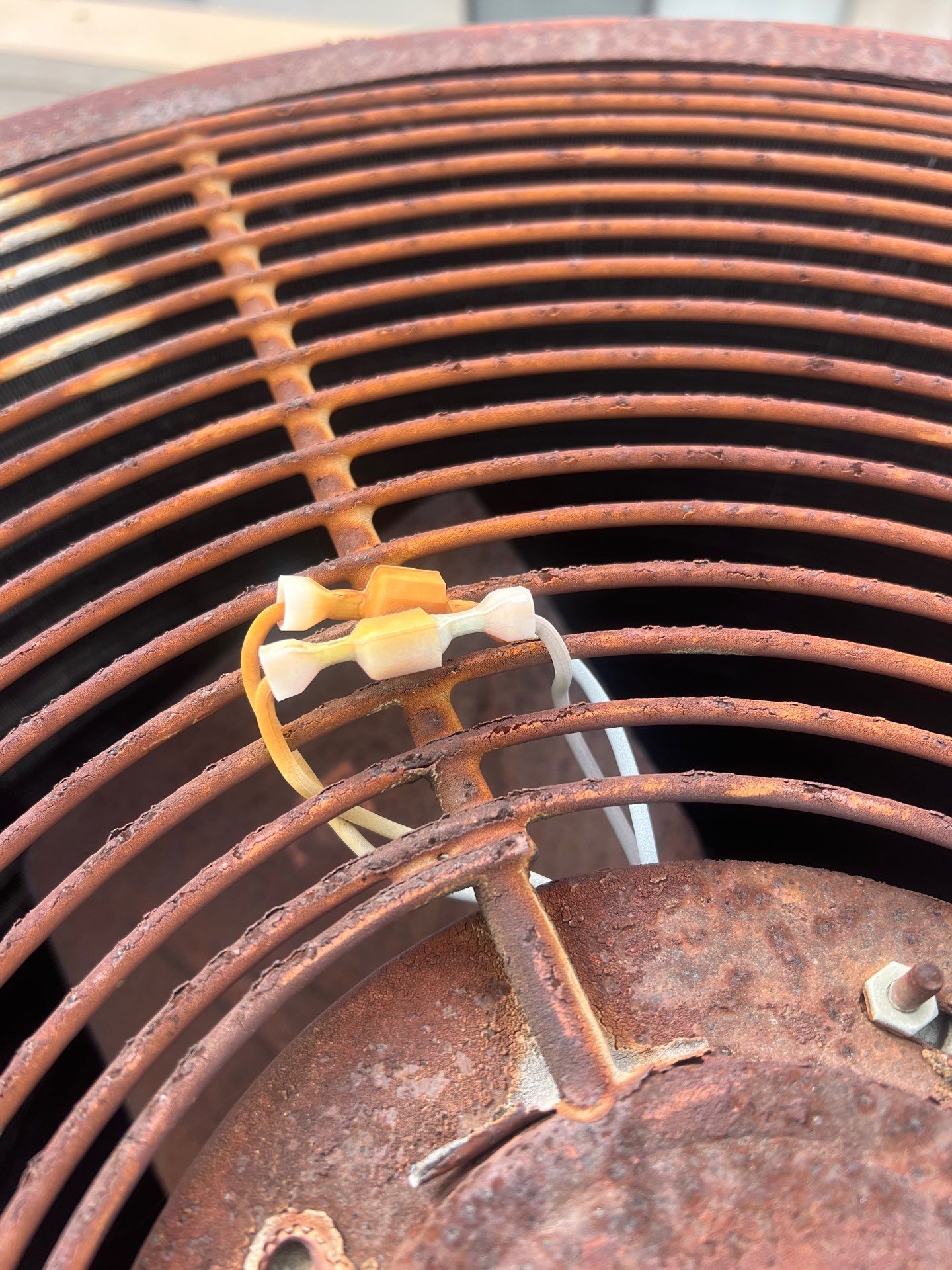
Listen for specifics: which part failed, what it costs to fix, why repair doesn't make sense this time. "It's old" is a fact, not a reason. Vague doom is a sales tactic, not a diagnosis.
A good answer compares the repair path and the replacement path with real numbers. If you only ever hear one path, ask about the other.
Question 2: How Are You Sizing the New AC?
The right answer involves a load calculation and a look at your ductwork and airflow, not a glance at the old unit's label. Homes change. Old systems are sometimes the wrong size from day one.
Bigger is not better. An oversized AC cools fast, shuts off, and never runs long enough to pull humidity out of the air. You get a cold, clammy house and a system that wears itself out cycling. Sizing, ductwork, airflow, refrigerant charge, and installation details decide how the next 15 years feel.
Question 3: What Is Included in the Quote?
A proper AC replacement quote should spell out:
- The exact equipment, with model numbers.
- Labor, permits, and code-required items.
- Thermostat details, and any ductwork or airflow corrections if needed.
- Removal and haul-away of the old equipment.
- Startup, testing, and a walkthrough of the finished work.
If the quote is one line and a total, you're not comparing apples to apples with anyone.
Question 4: What Warranty Do I Get?
There are usually two warranties: the manufacturer's parts warranty and the contractor's labor warranty. Ask about both, in writing. Ask whether the equipment needs to be registered, and whether regular maintenance is required to keep the warranty valid. It often is, which is one reason a maintenance plan pays for itself quietly.
Question 5: What Happens If I Don't Replace It Today?
This is the honesty test. The true answer is usually some version of "it depends, here's the risk." If the answer is pure urgency, today-only pricing, or a story about imminent catastrophe, take a breath and get a second opinion.
A system that's truly unsafe deserves a clear explanation you can see and understand, not a countdown timer.