Your air filter looks simple. It just sits there quietly, minding its business, catching dust while the rest of the system gets all the attention.
But that little filter matters a lot.
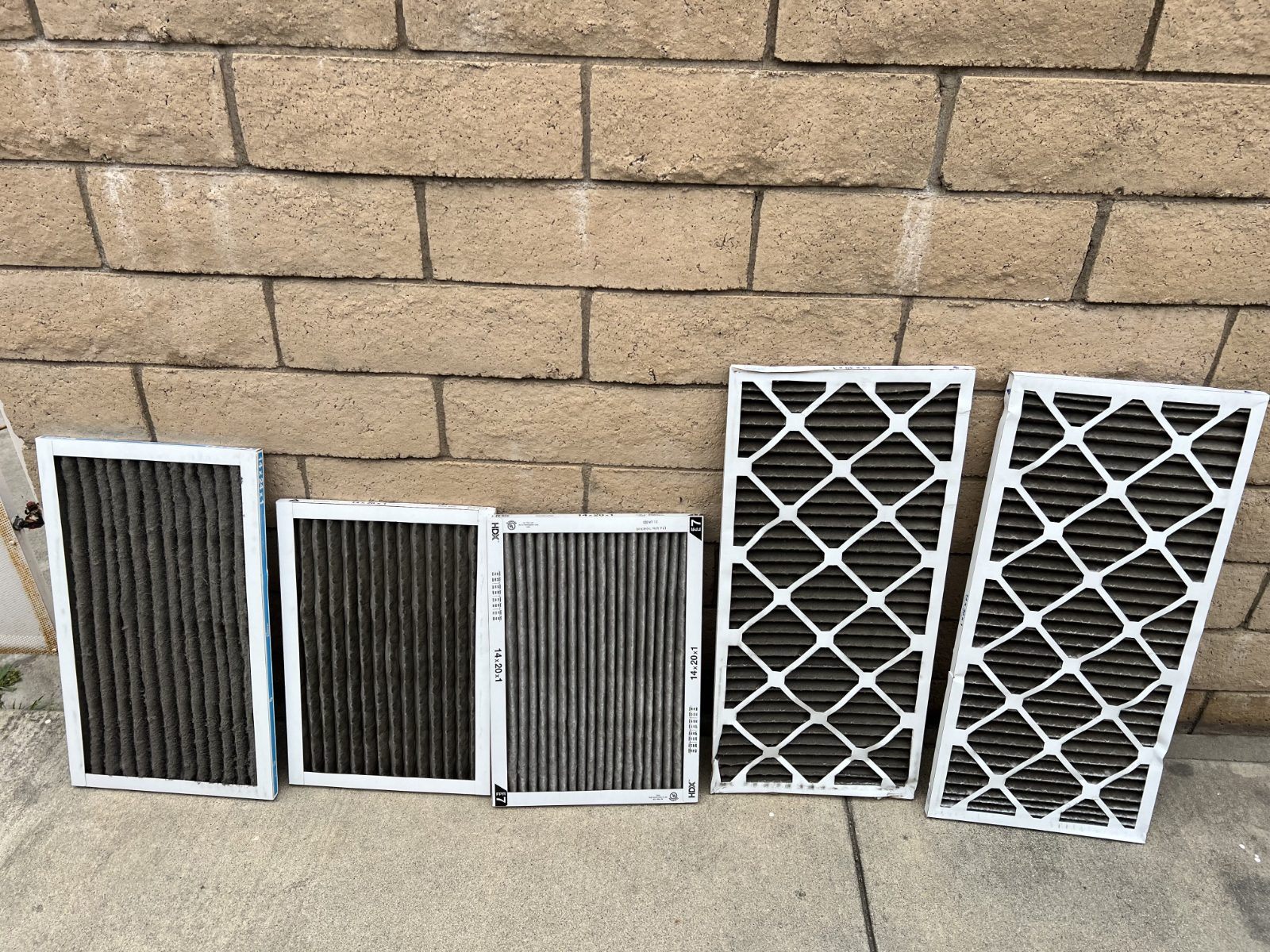
It helps protect your heating and cooling system from dust, dirt, pet hair, lint, and all the mystery stuff floating around the house. You know, the stuff you only notice when sunlight hits the room and suddenly your living room looks like a snow globe.
Here's the part most homeowners don't realize: the best filter is not always the most expensive one or the one with the highest number on the package. Your heating and cooling system still needs to breathe. A filter should help clean the air. It shouldn't make your system feel like it's trying to breathe through a pillow.
At VORXS Heating & Air Conditioning, we look at the whole setup before recommending a filter: filter size, return airflow, ductwork, blower condition, coil condition, pets, dust, allergies, and how the home is used. All of it matters.
Because when it comes to filters, guessing isn't the best game plan. Your heating and cooling system is not a casino.
At a Glance
- There's no single "best" filter. It depends on your system, airflow, and home.
- A higher MERV number is not automatically better. Airflow matters too.
- Washable filters only work if they actually get washed.
- Carbon filters help with odors, not dust.
- Media filter cabinets are a solid upgrade for dusty or pet-filled homes.
1. Green Washable Filters
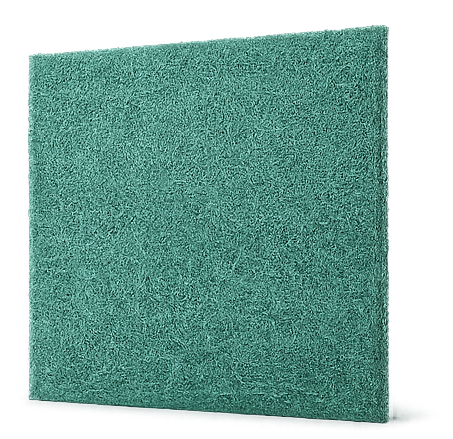
Green washable filters are the reusable filters you can rinse, dry, and put back into the system. They sound great because you don't have to keep buying filters every month. But they only work well if they're cleaned regularly, dried properly, and installed correctly.
That's where things can go sideways. If the filter is dirty, clogged, or still damp when it goes back in, it can create airflow issues or let dust pass through. A washable filter that never gets washed is basically just a green decoration with responsibilities.
Good for:
- Basic reusable protection
- Homes where the filter actually gets cleaned regularly
- Some systems that need lower filter restriction
Not always best for:
- Pets, allergies, or heavy dust
- Cleaner indoor air goals
- Anyone who forgets the filter exists until the AC starts acting dramatic
VORXS can check if your washable filter is actually helping your system, or if it's letting too much dust sneak by like it owns the place.
2. Disposable Filters and MERV Ratings
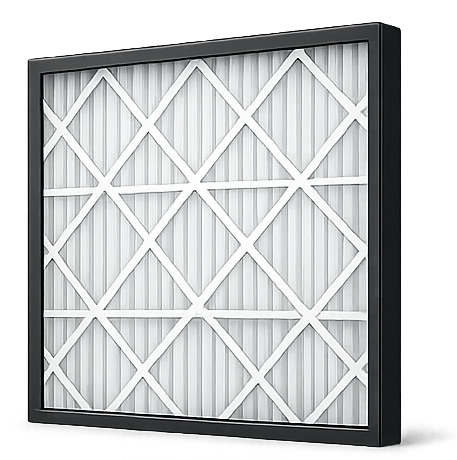
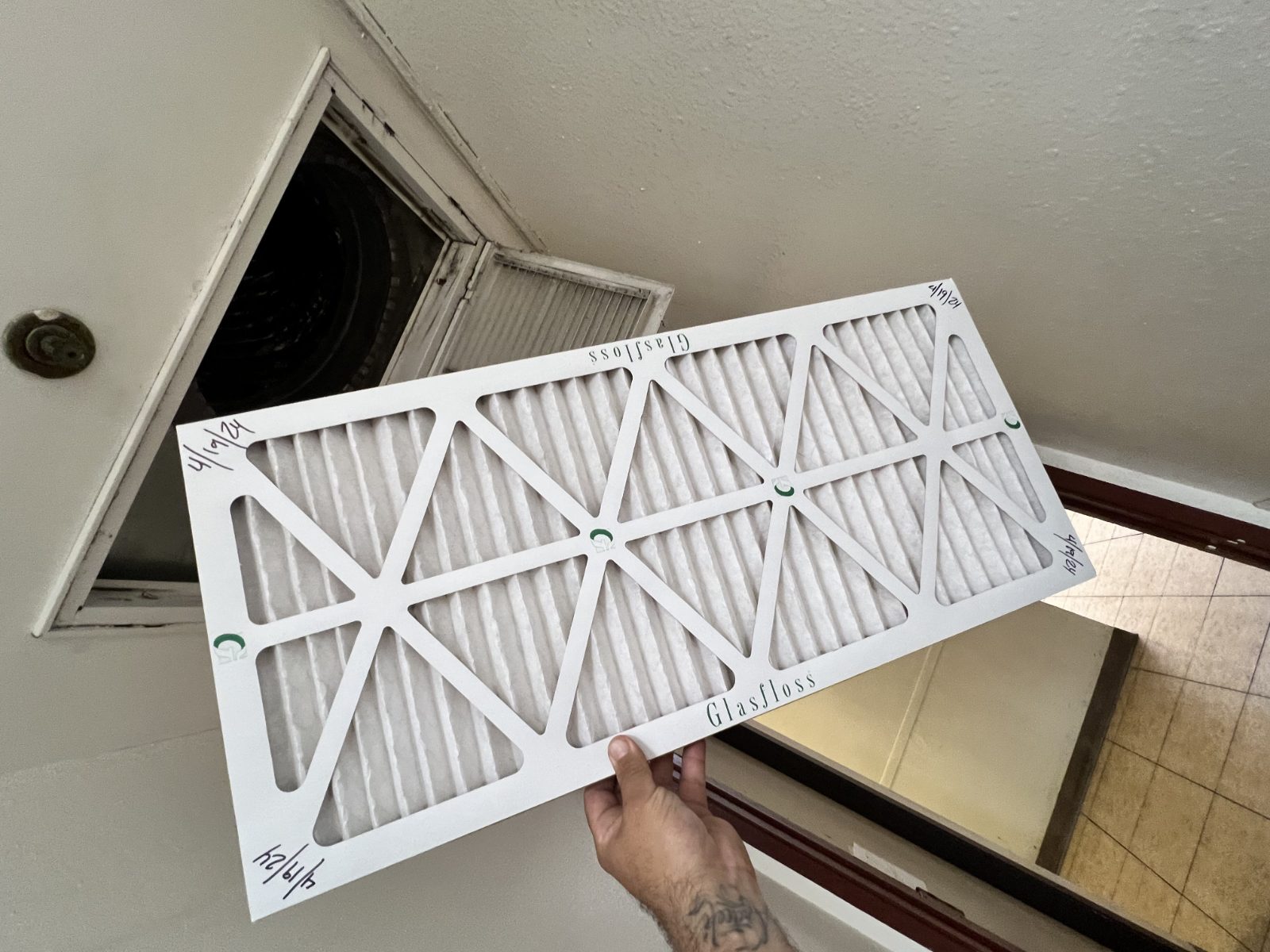
Disposable filters are the most common ones homeowners use. The thin fiberglass filters and the pleated filters you see at the store.
The big thing to understand here is the MERV rating. MERV stands for Minimum Efficiency Reporting Value. In everyday words, it tells you how much small stuff the filter can catch.
A higher MERV rating can catch smaller particles, but it can also make it harder for air to pass through the filter. That's where homeowners get into trouble.
Someone sees a high MERV number and thinks, "Perfect. I just upgraded my house to hospital-grade air." Then the heating and cooling system is in the attic fighting for its life trying to pull air through a filter it was never designed for.
If the filter is too restrictive, it can cause:
- Weak airflow and longer run times
- Frozen evaporator coils
- Extra strain on the blower motor
- Poor comfort and higher energy use
- More wear on the equipment
That doesn't mean higher MERV filters are bad. It just means the system needs to be checked first.
Simple rule: don't just buy the highest-rated filter on the shelf. Let the system tell us what it can handle. VORXS can check your filter size, return grille size, ductwork, blower area, and airflow to help you choose a filter that makes sense for your home.
3. Carbon Filters
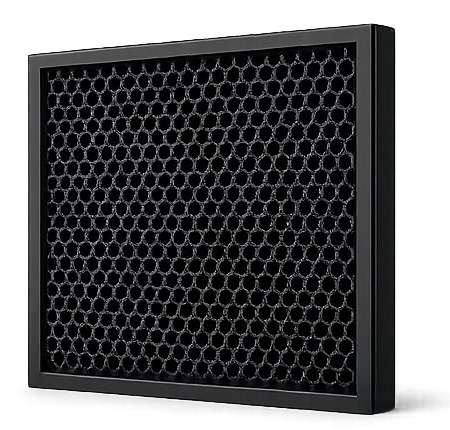
Carbon filters are made to help with odors. They can help with smells from pets, cooking, smoke, stale air, or that one room in the house nobody wants to talk about.
Carbon filters use activated carbon to absorb certain odors. They can be a good option when the home smells stuffy or stale. But here's the important part: carbon filters are not the same as dust filters. They help more with smells than with dust, lint, pet hair, and particles. So if your main problem is dust collecting everywhere two days after cleaning, carbon by itself may not be the answer.
Good for:
- Pet odors, cooking smells, smoke smell support
- Stale indoor air and homes that need odor help
Not enough by itself for:
- Dust control and pet hair
- Dirty coils, poor airflow, or duct leakage
- Full indoor air quality problems
If odor is the main complaint, VORXS can help figure out if the issue is the filter, dirty ductwork, a dirty evaporator coil, a drain issue, poor ventilation, or if a carbon filter or air scrubber setup makes more sense. Because sometimes the filter is part of the problem. Sometimes the system is quietly saying, "Please check everything else too."
4. Media Filter Cabinets
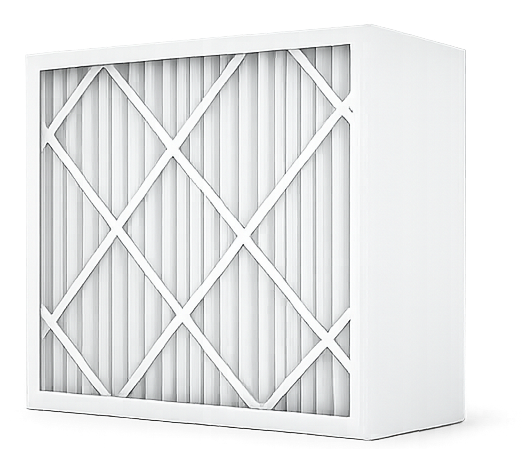
A media filter cabinet is a larger filter setup installed near the furnace, air handler, or return duct. Instead of using a thin 1-inch filter, a media cabinet usually uses a thicker 4-inch or 5-inch filter.
This can be a great upgrade because the filter has more surface area. More surface area helps the filter catch more dust while still letting air move easily through the heating and cooling system.
Sometimes the answer isn't a stronger 1-inch filter. Sometimes the better answer is giving the system a better filter setup.
Media filter cabinets can be helpful for:
- Homes with pets or heavy dust
- Indoor air quality concerns
- Homeowners who want better filtration overall
- Systems that can support the upgrade
- Reducing how often filters need to be replaced (depending on setup)
But they aren't always possible. It depends on space near the equipment, return duct size, system design, airflow, equipment location, how the unit was installed, and whether duct modifications are needed.
VORXS can inspect the system and see if a media filter cabinet makes sense. We look at the return duct, equipment location, filter access, airflow, and whether the system was designed to handle the upgrade.