Furnace &
Heating Repair
in Orange County.
When your heating quits on a cold Orange County morning, you don't want a lecture. You want warm air back. VORXS finds the real problem, whether it's a gas furnace, a wall heater, or a heat pump, explains it clearly, and fixes it cleanly and safely. Family-owned furnace and heating repair for Santa Ana and all of Orange County. Honest, no pressure.
- Family OwnedAlbert & Albert Jr., Santa Ana based
- CSLB #1108783Licensed & insured
- Written Quote FirstThe price in writing before any work
- Repairs BackedSame issue returns within 30 days, no added labor cost
A furnace that won't heat is
more than a cold morning.
Orange County winters aren't snowstorm territory, but cold mornings still count, and a furnace that won't fire at 6am is no fun. Beyond comfort, a gas furnace that's struggling can hide a safety issue, so it's worth looking at sooner rather than later.
VORXS finds the real problem, explains it clearly, and fixes it cleanly and safely. Family-owned heating repair for Santa Ana and all of Orange County. No pressure.
Heating problems we
see all the time.
Most heating calls start with one of these three. Sound familiar?
No Heat
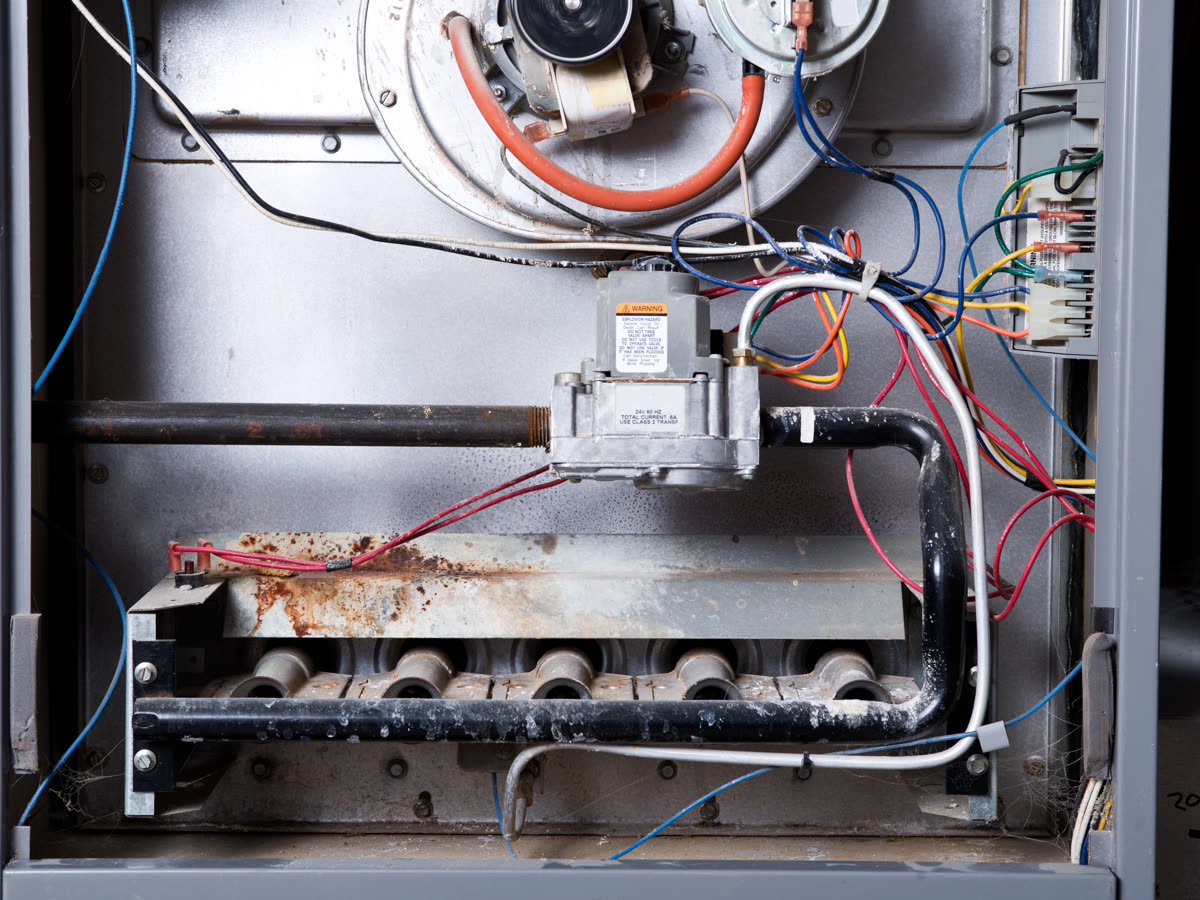
The system runs but the house stays cold, or it won't start at all. Often ignition, gas, thermostat, or a safety control.
Heat that won't show up on a cold morning.
Short Cycling
The furnace turns on and off too quickly, which can come from airflow trouble, a dirty flame sensor, or overheating.
Lots of cycling, not much warmth.
Strange Smells or Noises
Banging, rattling, or burning smells can point to ignition, blower, or venting issues worth checking.
New noises are the furnace trying to tell you something.
We chase the cause,
not the symptom.
When your heating isn't working right, it's not always one big failure. Sometimes it's a dirty filter, a thermostat issue, a weak ignitor, a dirty flame sensor, a blocked vent, or an airflow problem. If it's blowing cold air or won't turn on, there are a few safe checks worth trying first. VORXS approaches every gas furnace repair the same way: we check the system step by step, confirm ignition, burners, airflow, and the safety controls, then show you what we find and give a written quote before any work begins.
With gas furnaces, safety is part of every visit, not an afterthought. A regular furnace tune-up or heating maintenance visit helps catch problems before the first cold snap. Our fall furnace maintenance checklist walks through what that covers. And if weak airflow traces back to your ductwork or thermostat, we'll tell you straight.
How we fix heating problems without guessing.
We inspect, diagnose, explain, repair, and test before we leave.
- 01
System Check
Thermostat, furnace, ignition, airflow.
- 02
Find the Problem
We chase the cause, not the symptom.
- 03
Clear Explanation
Simple and direct. We show you.
- 04
Repair Options
Clear choices before any work.
- 05
System Test
Heat, airflow & safety confirmed.
Common furnace & heating problems
we diagnose.
Heating System Not Turning On
If the system won't turn on, it may be power, thermostat settings, wiring, a safety switch, the control board, or an ignition problem. We check the basics first, then test deeper. No replacing parts just for fun.
Furnace Blowing Cold Air
If the thermostat says heat but the vents blow cold, it could be settings, ignition failure, gas supply, the flame sensor, overheating, or airflow. The system is calling for heat, but something is stopping the furnace from making it.
Weak Airflow From Vents
Weak airflow can come from a dirty filter, restricted return, closed or blocked vents, duct issues, a dirty blower wheel, or a blower motor problem. Without airflow, comfort goes downhill and the equipment works harder than it should.
Dirty Air Filter or Restricted Return
A clogged filter can reduce airflow, make the furnace run hotter, strain the blower, and shut the system down on safety. A dirty filter is small, but it can cause big problems when it's ignored.
Thermostat Problems
Sometimes the issue starts at the thermostat. Wrong settings, dead batteries, loose wiring, bad placement, or compatibility. The thermostat is small, but it's basically the system's bossy little remote control.
Ignition Problems
Modern furnaces need the ignition to work before the burners light. If the ignitor is weak, cracked, or failing, the furnace may try to start and shut back down. The furnace version of clearing its throat and giving up.
Furnace Starts, Then Shuts Off
If the burners light and then quit a minute later, the furnace is usually protecting itself. A dirty flame sensor, a clogged filter or blocked return driving the temperature too high, a pressure switch or venting issue, or a limit switch that trips are the common reasons. Each has a specific fix once it's confirmed.
Heat Pump Running but Not Heating
A heat pump can run and still leave the house cold. Some of that is normal, like a short defrost cycle on a chilly morning. The rest points to the thermostat mode, the reversing valve, refrigerant, or the outdoor unit. If your home heats with a heat pump, we check it the same careful way.
Safety we take seriously.
Heating repair isn't just about comfort. With gas furnaces, safety matters too. VORXS checks system operation, venting concerns, the ignition sequence, burner operation, flame sensing, and signs that the furnace may not be operating the way it should.
A gas smell that persists, even a faint one, a hissing sound at a gas line, or a carbon monoxide alarm that has sounded is an emergency, not a service request. Leave the home, then contact your gas provider or emergency services from outside. Don't wait for a normal service appointment. Once the home has been checked and cleared, call us for the repair.
Not emergencies, but not wait-and-see either. Call us about:
- A burning or electrical smell that does not fade after the first run of the season.
- Repeated ignition attempts, or a furnace that locks out and needs resetting.
- A burner flame that looks yellow or unsteady instead of mostly blue, or soot around the burner compartment.
- New bangs, screeches, or grinding from the furnace.
Repair when it makes sense.
Replace when it adds up.
Most no-heat calls end in a repair, not a new system. Here is how we decide which conversation to have, and you will hear the reasoning before any recommendation.
Diagnose First
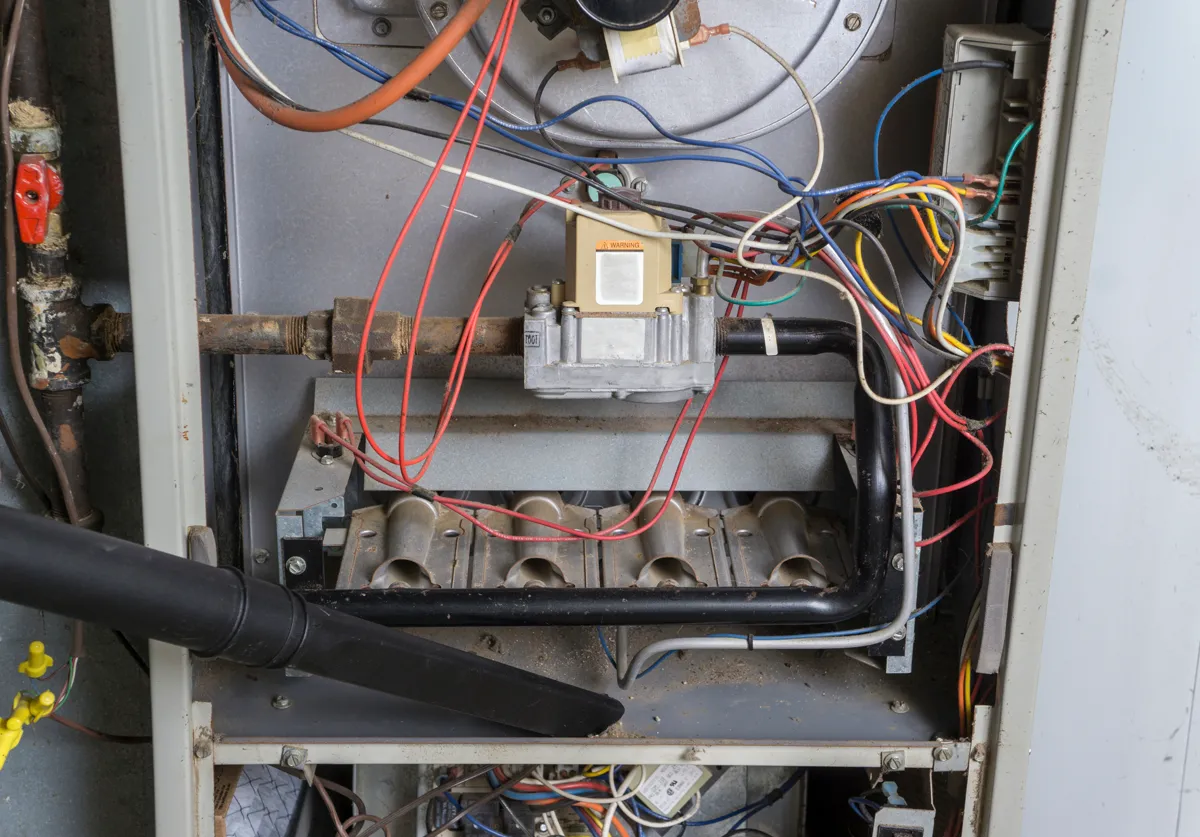
Every visit starts with finding the actual fault and a written quote. Ignitors, flame sensors, limit switches, and blower parts are the usual culprits, and those are repairs.
No guessing, and no replacing parts just to see.
Repair When Practical
If the fix is sound and the furnace has life left in it, we repair it and tell you so. We will not push a new system when a clean repair will do the job.
A working furnace is usually the right answer.
Talk Replacement When It Adds Up
Age, repeated failures, a safety concern, falling efficiency, or a repair bill that is a big share of a new system are reasons to at least walk through both paths. You decide.
If replacement is on the table, two things are already in place. Monthly payment plans are available through FTL, subject to credit approval, with the details on our financing page. New central system installations carry a 3-year VORXS labor workmanship warranty, spelled out on our warranty page. Repairs are covered too: if the same diagnosed issue returns within 30 days of a VORXS repair, there is no additional labor cost.
Warm air back,
done right.
Anyone can poke at a furnace. What matters is who finds the real problem, who checks the safety side, and who picks up the phone on a cold morning. VORXS is local and family-owned, with honest diagnosis, clean repairs, up-front pricing, and real people on the line. Every furnace service follows California Title 24 and CSLB requirements. Licensed and insured, CSLB #1108783.
We never recommend a repair we wouldn't make on our own family's home. If the system is older or repairs are adding up, we'll lay out furnace replacement or installation honestly, including what shapes new furnace cost in Orange County and whether a heat pump heating option fits your home. Our heat pump vs furnace guide compares the two honestly. If a new system is the move, we can flag the right thermostat or an indoor air quality upgrade too. No pressure either way.
No heat, or something
doesn't feel right?
We'll inspect the system, explain what we find, and walk you through your options before you make a decision. Most repair appointments are available within 24 hours.
You don't need to know what's wrong before you call. Tell us what the system is doing and we'll help you figure out the next step. Want to hear it from neighbors first? Read VORXS customer reviews or see real VORXS job stories.
Two kinds of heat.
We service both.
Most Orange County homes heat with a gas furnace, usually paired with a central air conditioner. A growing number heat and cool with a heat pump, one electric system that runs in both directions. Either one arrives as the same phone call: no heat.
A furnace problem usually lives in ignition, gas, the flame sensor, airflow, or a safety control. A heat pump that runs but does not warm the house may be in a normal defrost cycle, set to the wrong mode at the thermostat, or dealing with a reversing valve or refrigerant issue. We diagnose both, and we will tell you which system you have if you are not sure. Weighing a switch? Our heat pump vs furnace guide compares the two without hype.
Good to know
before you call.
Plain-language guides for the questions we hear most, including the safe checks you can do yourself and the point where it is time to stop and call.
Furnace Blowing Cold Air or Won't Turn On →
The safe checks worth trying yourself, and the causes that need a pro.
Furnace Smells Like Burning? →
Normal first-run dust versus electrical, smoke, or gas smells, and when to shut it off.
Furnace Making Noise? →
What a bang, screech, rattle, or grind can mean, and which sounds are normal.
Fall Furnace Maintenance Checklist →
What to check before heating season, and what a professional tune-up covers.
New Furnace Cost in Orange County →
What moves replacement pricing, what a good quote includes, and how to avoid surprises.
Heat Pump vs Furnace →
A balanced look at comfort, cost, and installation for Orange County homes.
Common Heating Myths.
Cranking the Thermostat Heats Faster
Truth: The furnace heats at a steady rate. A higher setting just runs it longer.
Furnaces Don't Need Maintenance in Mild Climates
Truth: Even light use benefits from yearly safety, airflow, and operation checks.
Strange Smells Are Always Normal
Truth: A light dusty smell on the first heat is normal. Burning or gas odors are not.
A Bigger Furnace Heats Better
Truth: Oversized furnaces short cycle and waste energy. Sizing matters.
If It Still Turns On, It's Fine
Truth: A furnace can run while a safety issue develops. It's worth checking.
Closing Vents Saves on Heating
Truth: It can disrupt airflow and strain the blower more than it saves.
Gas furnace questions.
Quick answers homeowners ask us every day. More questions? Call (657) 530-6868.
How long does a gas furnace last?
Why is my furnace blowing cold air?
How often should I service my furnace?
Why is my furnace short cycling?
Is gas furnace service safe?
Heating service
across Orange County.
Each city page covers what we see most in that area's homes, from the older furnaces in Fullerton to the heat pump conversions in Tustin, along with the AC side for summer.
Call VORXS today
to schedule service.
Not heating, blowing cold air, short cycling, or making noise? Honest diagnosis, clean repairs, and real people picking up the phone.